Cost control
Lower peak demand charges
The battery supplies the site's highest half hours, so the peak the network bills on is lower.


Each site is modelled on its own electricity data. ASKA then designs and installs the system and operates it with its own software, to control energy costs, make room on constrained connections and keep the site supplied.
Electricity is a key input for most commercial and industrial sites, and one of the few large costs a business can actively manage.
When it is used, how much network capacity is reserved and the size of the connection all shape the bill and how far a site can grow. Managed as an asset, the supply can lower peak and capacity charges, take on vehicle charging or electric process heat without a larger connection, and give the site more control when the network is under strain.
Twelve months of the site's half hourly data and its network tariff show where the cost sits and what storage, solar or a change to the connection would save. The result is a business case with the source of every figure.
ASKA designs the system, prepares the application to the network company, supplies GridStore battery hardware and installs it through licensed electrical partners.
ASKA Tungsten runs the battery every half hour against energy prices and the site's limits, and reports each month against the business case.
A battery lowers peak demand charges, makes room on a constrained connection and moves energy use into cheaper periods.
Cost control
The battery supplies the site's highest half hours, so the peak the network bills on is lower.
Capacity
Vehicle charging or electric process heat can be added without waiting for a larger network connection.
Energy arbitrage
The battery charges when energy is cheap, overnight or from midday solar, and supplies the site when prices are highest.

Consulting
Business cases, system design and electrical advice for constrained connections, vehicle charging and new developments, run in one project space with the client.
Consulting
Software
Models the site before anything is built, runs the battery every half hour, and reports results against the original model.
Tungsten
Hardware
Two and four hour storage and battery enabled charging, from a single 261 kWh cabinet up to twelve in parallel.
GridStoreEnergy centre
Energy centre design that holds the development to a managed 450 kVA connection with storage, in place of about 770 kVA of unmanaged demand.
Business case
Storage sized to seasonal refrigeration peaks, with a modelled payback under 5 years.
Feasibility
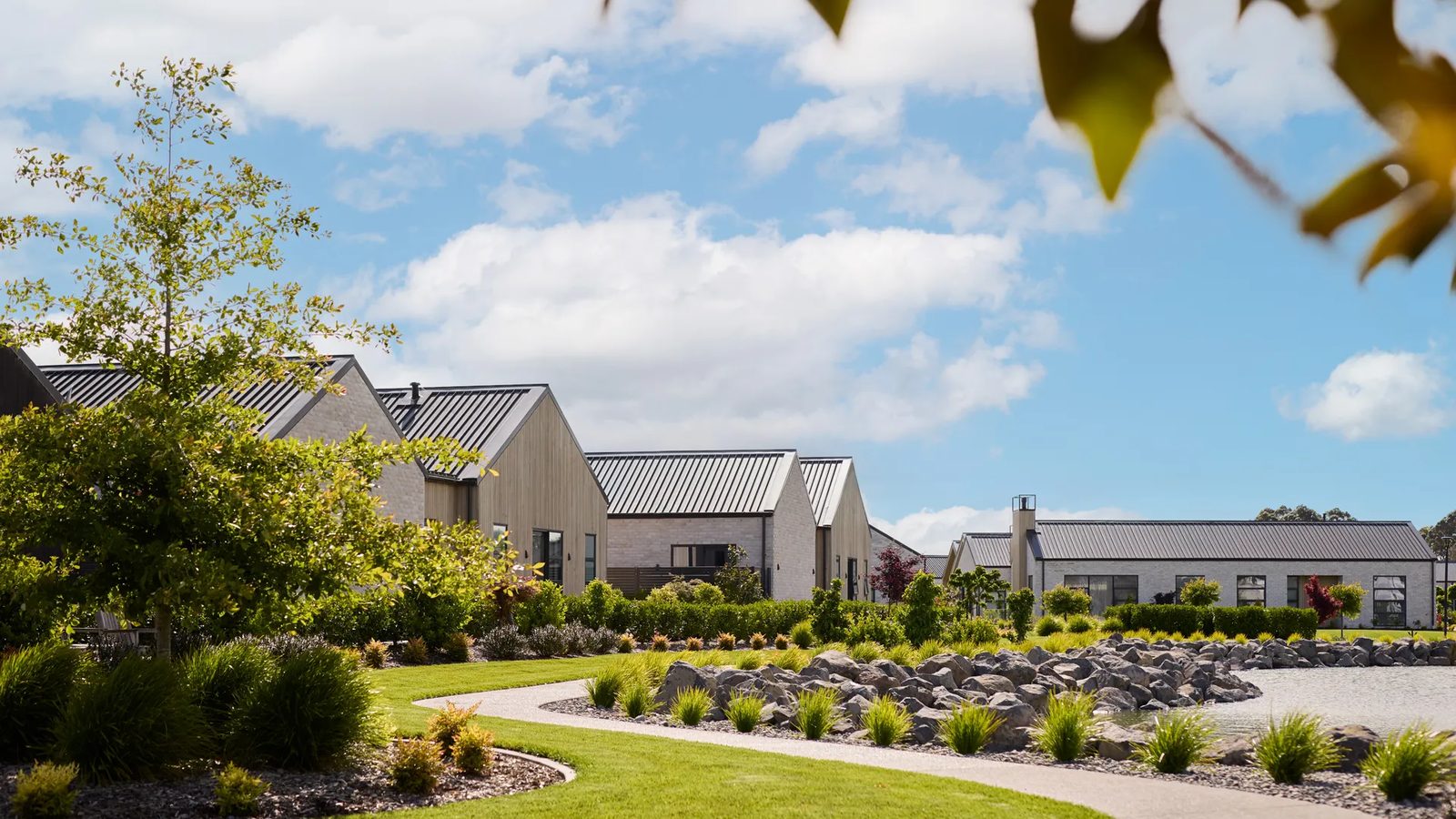
Battery storage modelled on the village's half hourly data and network tariff.